# Blockchain Technology: An In-Depth Explanation## Introduct

                # Blockchain Technology: An In-Depth Explanation

## Introduction to Blockchain Technology

Blockchain technology has emerged as one of the most revolutionary advancements in the digital age, akin to a modern-day alchemist that transforms raw data into invaluable insights and security. With its origins tracing back to the release of Bitcoin in 2009, the fervor surrounding blockchain has grown exponentially, capturing the attention of industries far beyond cryptocurrency.

## What is Blockchain?

Understanding the Basics

At its core, blockchain is a decentralized digital ledger that records transactions across multiple computers in a way that the registered transactions cannot be altered retroactively without the consensus of the entire network. Imagine a public library where every book is a digital transaction, and once a book is placed on the shelf, it cannot be removed or rewritten.

## How Does Blockchain Work?

The Mechanics of Blockchain

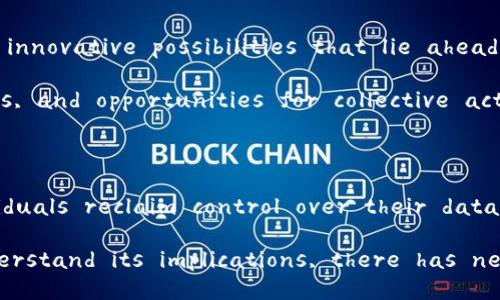
To understand how blockchain works, one can visualize a chain made up of blocks. Each block contains a set of data, a timestamp, and a reference to the previous block, creating an unbreakable link. This interconnectedness ensures that every transaction is transparent and traceable.

When a new transaction occurs, it is grouped with others into a block. Once the block is filled, it is validated by a network of computers, or nodes, through a consensus mechanism—most commonly, proof-of-work or proof-of-stake. Once validated, the block is added to the blockchain. The beauty of this process lies in its inherent security; any attempt to alter a transaction would require immense computational power to override the consensus of the entire network.

## Key Features of Blockchain

Characteristics that Define Blockchain

Blockchain technology exhibits several characteristics that contribute to its growing popularity:

ul
listrongDecentralization:/strong Unlike traditional ledgers that are maintained by a central authority, blockchain distributes its data across a network, reducing single points of failure./li
listrongTransparency:/strong Every participant in the blockchain network can view the entire chain, promoting trust and accountability./li
listrongImmutability:/strong Once data is recorded on the blockchain, it is nearly impossible to alter, ensuring the integrity of the information./li
listrongSecurity:/strong Advanced cryptographic techniques safeguard the data, making it resilient against hacking attempts./li
/ul

## Applications of Blockchain Technology

Beyond Cryptocurrency

While Bitcoin is perhaps the most recognized application of blockchain, its potential extends far beyond digital currencies. Here are several areas where blockchain is making significant inroads:

### 1. Supply Chain Management

In the bustling world of logistics, transparency and efficiency are paramount. Blockchain provides a comprehensive view of the supply chain, allowing stakeholders to track the movement of goods from the manufacturer to the consumer. For instance, imagine a farmer using blockchain to trace the journey of organic apples from their orchard to your grocery store, ensuring that every step is verifiable and ethical.

### 2. Healthcare

In healthcare, patient privacy and secure data sharing are critical. Blockchain can empower patients, enabling them to control who accesses their medical records. Picture a scenario where a patient’s complete medical history is securely stored and shared only with selected healthcare providers, fostering trust and improving outcomes.

### 3. Voting Systems

Democracy thrives on trust and integrity. Blockchain can revolutionize voting systems by providing a secure and transparent method for casting and counting votes. Consider a future where citizens can vote from the comfort of their homes, with their votes secured by blockchain technology—verifiable and resistant to tampering.

### 4. Intellectual Property Protection

In a world rife with copyright infringement, blockchain can safeguard creators' rights by documenting the ownership and provenance of their work. Imagine a musician who can track every use of their song, receiving compensation directly through smart contracts executed on the blockchain.

## Challenges Facing Blockchain Technology

Addressing the Hurdles

Despite its promise, blockchain technology faces several challenges that must be addressed for widespread adoption:

### 1. Scalability

As the number of users grows, so does the size of the blockchain, potentially slowing down transactions. Solutions like sharding and layer-2 protocols are being explored to enhance scalability.

### 2. Energy Consumption

The energy-intensive nature of mining, particularly in proof-of-work systems, raises concerns about environmental sustainability. Exploring alternative consensus mechanisms, like proof-of-stake, offers a pathway to greener practices.

### 3. Regulation

As blockchain initiatives proliferate, the need for regulatory frameworks that balance innovation with consumer protection grows. Governments and industry stakeholders must collaborate to create a balanced approach.

## The Future of Blockchain Technology

Looking Ahead

The future of blockchain technology is bright, as industries continue to explore creative implementations. The evolution of smart contracts, decentralized finance (DeFi), and non-fungible tokens (NFTs) exemplifies the innovative possibilities that lie ahead.

As blockchain matures, we may witness the development of the # Blockchain Technology: An In-Depth Explanation

## Introduction to Blockchain Technology

Blockchain technology has emerged as one of the most revolutionary advancements in the digital age, akin to a modern-day alchemist that transforms raw data into invaluable insights and security. With its origins tracing back to the release of Bitcoin in 2009, the fervor surrounding blockchain has grown exponentially, capturing the attention of industries far beyond cryptocurrency.

## What is Blockchain?

Understanding the Basics

At its core, blockchain is a decentralized digital ledger that records transactions across multiple computers in a way that the registered transactions cannot be altered retroactively without the consensus of the entire network. Imagine a public library where every book is a digital transaction, and once a book is placed on the shelf, it cannot be removed or rewritten.

## How Does Blockchain Work?

The Mechanics of Blockchain

To understand how blockchain works, one can visualize a chain made up of blocks. Each block contains a set of data, a timestamp, and a reference to the previous block, creating an unbreakable link. This interconnectedness ensures that every transaction is transparent and traceable.

When a new transaction occurs, it is grouped with others into a block. Once the block is filled, it is validated by a network of computers, or nodes, through a consensus mechanism—most commonly, proof-of-work or proof-of-stake. Once validated, the block is added to the blockchain. The beauty of this process lies in its inherent security; any attempt to alter a transaction would require immense computational power to override the consensus of the entire network.

## Key Features of Blockchain

Characteristics that Define Blockchain

Blockchain technology exhibits several characteristics that contribute to its growing popularity:

ul
listrongDecentralization:/strong Unlike traditional ledgers that are maintained by a central authority, blockchain distributes its data across a network, reducing single points of failure./li
listrongTransparency:/strong Every participant in the blockchain network can view the entire chain, promoting trust and accountability./li
listrongImmutability:/strong Once data is recorded on the blockchain, it is nearly impossible to alter, ensuring the integrity of the information./li
listrongSecurity:/strong Advanced cryptographic techniques safeguard the data, making it resilient against hacking attempts./li
/ul

## Applications of Blockchain Technology

Beyond Cryptocurrency

While Bitcoin is perhaps the most recognized application of blockchain, its potential extends far beyond digital currencies. Here are several areas where blockchain is making significant inroads:

### 1. Supply Chain Management

In the bustling world of logistics, transparency and efficiency are paramount. Blockchain provides a comprehensive view of the supply chain, allowing stakeholders to track the movement of goods from the manufacturer to the consumer. For instance, imagine a farmer using blockchain to trace the journey of organic apples from their orchard to your grocery store, ensuring that every step is verifiable and ethical.

### 2. Healthcare

In healthcare, patient privacy and secure data sharing are critical. Blockchain can empower patients, enabling them to control who accesses their medical records. Picture a scenario where a patient’s complete medical history is securely stored and shared only with selected healthcare providers, fostering trust and improving outcomes.

### 3. Voting Systems

Democracy thrives on trust and integrity. Blockchain can revolutionize voting systems by providing a secure and transparent method for casting and counting votes. Consider a future where citizens can vote from the comfort of their homes, with their votes secured by blockchain technology—verifiable and resistant to tampering.

### 4. Intellectual Property Protection

In a world rife with copyright infringement, blockchain can safeguard creators' rights by documenting the ownership and provenance of their work. Imagine a musician who can track every use of their song, receiving compensation directly through smart contracts executed on the blockchain.

## Challenges Facing Blockchain Technology

Addressing the Hurdles

Despite its promise, blockchain technology faces several challenges that must be addressed for widespread adoption:

### 1. Scalability

As the number of users grows, so does the size of the blockchain, potentially slowing down transactions. Solutions like sharding and layer-2 protocols are being explored to enhance scalability.

### 2. Energy Consumption

The energy-intensive nature of mining, particularly in proof-of-work systems, raises concerns about environmental sustainability. Exploring alternative consensus mechanisms, like proof-of-stake, offers a pathway to greener practices.

### 3. Regulation

As blockchain initiatives proliferate, the need for regulatory frameworks that balance innovation with consumer protection grows. Governments and industry stakeholders must collaborate to create a balanced approach.

## The Future of Blockchain Technology

Looking Ahead

The future of blockchain technology is bright, as industries continue to explore creative implementations. The evolution of smart contracts, decentralized finance (DeFi), and non-fungible tokens (NFTs) exemplifies the innovative possibilities that lie ahead.

As blockchain matures, we may witness the development of the
                
                    
                author

                Appnox App

                content here', making it look like readable English. Many desktop publishing is packages and web page editors now use

                        related post

                                leave a reply